Masonry with Tradition
Outdoor Spaces Built for Consistent Use
Concrete Patio Repair & Installation in College Station for cracked slabs, uneven surfaces, and properties requiring functional outdoor living areas
Uneven or cracked patio concrete limits how you use outdoor space and creates tripping hazards that worsen as slabs continue settling. Aggieland Masonry provides concrete patio repair and installation in College Station, addressing both cosmetic surface damage and structural issues caused by poor drainage or inadequate base preparation. You'll typically need repair when cracks widen beyond hairline size, when sections tilt enough to direct water toward your foundation, or when the surface has spalled to the point where exposed aggregate creates a rough, unstable texture.
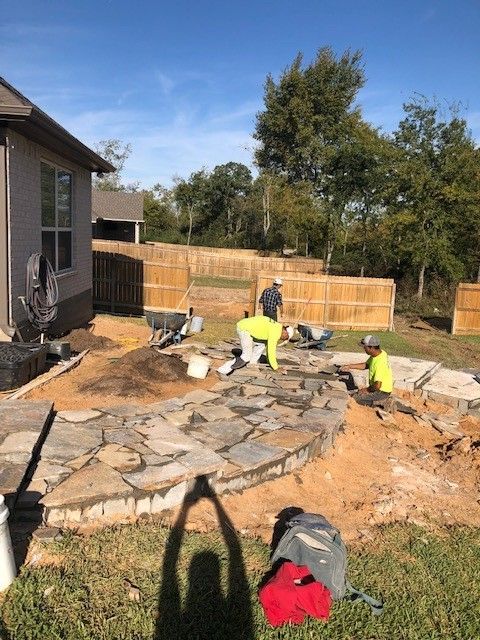
Patio work involves removing damaged sections if the base has failed, or resurfacing if only the top layer shows wear and the underlying support remains solid. The area is excavated to allow for compacted base material that prevents future settling, and forms are set to define the patio perimeter and control thickness. Concrete is poured to a minimum of four inches for patios that will support furniture and foot traffic, with control joints placed to manage expansion and contraction without creating random cracking across the slab.
Arrange an on-site evaluation to determine whether your patio requires full replacement or if targeted repairs will restore the surface functionality.
What You Notice Once the Work Is Finished
Installation starts with site grading that directs water away from the house, followed by base material compacted in layers to create stable support beneath the slab. The concrete is poured level and finished with the texture you specify—broom finish for slip resistance, smooth trowel for a clean appearance, or stamped patterns if you want decorative texture. Proper slope is built into the surface so that rain runs off toward drainage areas instead of pooling in low spots where furniture legs would sit in standing water.
Once completed, your patio surface remains level underfoot without the rocking furniture or tripping edges that develop when slabs settle unevenly. Water moves off the patio quickly after rain rather than forming puddles, and the surface provides a stable foundation for grills, seating, and planters without sinking or shifting. The edges remain intact where they meet landscaping or other hardscaping, and control joints prevent the large cracks that would otherwise develop as concrete expands during temperature changes.
Patio installations can include features like integrated planters, seat walls, or borders that define the space and connect it visually to existing landscaping. Decorative options such as color additives, exposed aggregate, or stamped patterns are applied during the pour and finishing process. Sealing can be added after curing if you want to reduce staining from spills or weathering, though it requires reapplication every few years to maintain effectiveness.
Questions Homeowners Raise Before Starting
Patio projects involve decisions about size, finish, and how the concrete will perform over time. These answers clarify what to expect during and after installation.
What finish works best for outdoor patios?
Broom-finished concrete provides traction when wet and works well for areas exposed to rain, while smooth trowel finishes look cleaner but can become slippery. Stamped or textured patterns add visual interest and some slip resistance, though they cost more due to the additional labor required during finishing.
How does College Station's clay soil affect patio concrete?
Expansive clay swells when wet and shrinks during dry periods, which puts stress on concrete slabs and causes cracking if the base isn't properly prepared. A well-compacted aggregate base isolates the slab from direct contact with clay and allows moisture movement without transferring ground shifts into the concrete itself.
Why do patio slabs settle near the house?
Settlement happens when water from roof runoff or poor grading saturates the soil beneath the patio, softening the base material and allowing the slab to drop. Proper grading and drainage direct water away from the patio edges, and downspouts should discharge far enough from the slab that runoff doesn't undermine the base during heavy storms.
When should you repair versus replace a patio?
Small surface cracks and minor spalling can be patched if the slab remains level and the base is still solid, but widespread cracking, significant settling, or slabs that have broken into multiple pieces require full replacement. Patching cosmetic damage over a failed base only delays the inevitable and costs more in the long run than addressing the underlying problem.
What thickness does a patio need?
Four inches is standard for residential patios supporting furniture and foot traffic, though areas that will bear heavier items like hot tubs or outdoor kitchens require thicker pours with reinforcement. Pouring too thin saves material cost initially but leads to cracking under load and premature failure that requires complete replacement.
Aggieland Masonry designs patio layouts based on how you plan to use the space and what drainage conditions exist around your property. Request a planning consultation to review size, finish options, and site-specific installation requirements.