Masonry with Tradition
Cooking Spaces Designed for Weather Exposure
Outdoor Kitchen Installation in College Station for properties adding functional cooking areas, entertainment spaces, and year-round outdoor use
Outdoor kitchens extend usable living space beyond the house and create dedicated areas for cooking and gathering that don't heat up indoor rooms during summer. The structure must handle rain, temperature swings, and UV exposure without deteriorating, which requires materials and construction methods different from interior kitchen work. Aggieland Masonry builds outdoor kitchens in College Station using masonry and concrete that withstand weather while supporting built-in grills, countertops, storage cabinets, and utility connections. You'll need an outdoor kitchen when you want permanent cooking infrastructure rather than portable equipment, when entertaining outdoors is frequent enough to justify dedicated space, or when property layout includes a patio or deck area suitable for expansion.
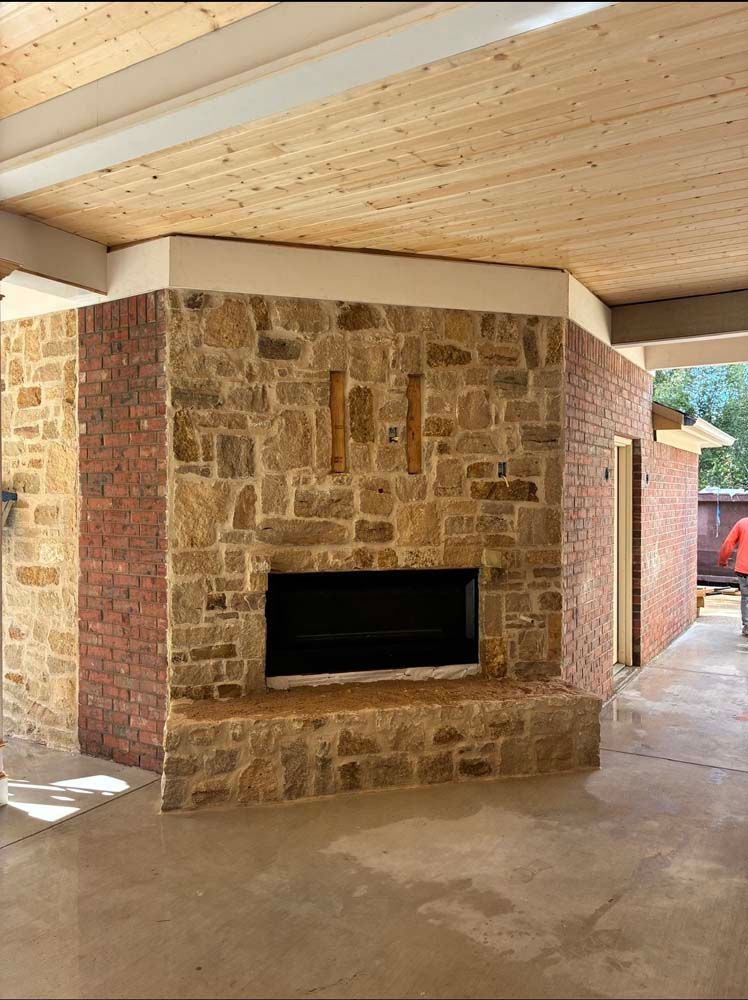
Installation involves constructing a base structure from concrete block or poured concrete that supports countertops and houses appliances, with finishes like stucco, stone veneer, or brick applied over the structural core. Gas lines, electrical circuits, and plumbing connections are roughed in before walls are closed, and countertops are installed after the base structure cures. The layout is planned around workflow—placing the grill, prep surfaces, and storage in logical sequence—and positioned to take advantage of existing utilities while considering wind direction and proximity to indoor access points.
Request a design consultation to review layout options and determine what utilities need to be extended to support your outdoor kitchen plan.
What Proper Construction Includes
The base structure is built on a concrete footing or slab that prevents settling and keeps the kitchen level over time. Walls are constructed from concrete block, which resists moisture and provides solid support for heavy countertops and appliances. Openings are framed for grill inserts, access doors, and utility connections, with proper clearances maintained around heat-generating equipment. Countertops are typically tile, stone, or concrete—materials that handle temperature extremes and water exposure without warping or degrading as laminate or wood would.
Once finished, your outdoor kitchen provides a stable cooking platform with surfaces that clean easily after use and withstand direct sun and rain without fading or cracking. Cabinets and storage areas stay dry enough to hold utensils and supplies, and built-in grills or burners remain securely mounted without shifting. The structure integrates visually with surrounding hardscaping and provides functional workspace that handles the same tasks as an indoor kitchen while remaining fully exposed to weather year-round.
Design options include L-shaped or straight-line layouts depending on available space, bar-height seating areas that extend from the counter, and overhead structures like pergolas that provide shade without fully enclosing the space. Lighting and electrical outlets are positioned for task work and ambiance, and gas lines are sized to supply grills, side burners, and any other fuel-burning equipment included in the design. Storage is typically enclosed with weather-resistant doors that keep moisture out while allowing ventilation to prevent mildew buildup.
Common Questions About This Service
Outdoor kitchen projects involve decisions about layout, materials, and utility requirements that affect both functionality and long-term durability. These answers clarify what the installation process entails.
What materials work best for outdoor kitchen countertops?
Tile, granite, and poured concrete withstand weather exposure and temperature changes without cracking or fading, while materials like laminate or butcher block deteriorate quickly outdoors. Grout lines in tile should be sealed to prevent water infiltration, and concrete countertops benefit from sealer that reduces staining from spills and weathering.
How do you run utilities to an outdoor kitchen?
Gas lines are trenched from the main supply and sized based on BTU demand from all appliances, electrical circuits are run underground in conduit and connected to GFCI-protected outlets, and water lines are extended if sinks or ice makers are included. All utility work must meet local codes, and gas connections typically require inspection before the system is activated.
What spacing is required around built-in grills?
Grill manufacturers specify minimum clearances from combustible materials, usually six inches to the sides and back, and adequate ventilation must be provided if the grill is enclosed. Heat shields or insulated barriers are installed behind grills to protect masonry and adjacent surfaces from sustained high temperatures that could cause cracking or discoloration.
Why does base construction matter for outdoor kitchens in College Station?
The heavy weight of masonry walls and stone countertops requires solid footing to prevent settling, and expansive clay soils shift with moisture changes unless the base is properly prepared. A reinforced concrete slab or footing that extends below the frost line keeps the structure stable and prevents cracks from developing as the ground moves seasonally.
What maintenance does an outdoor kitchen require?
Countertops should be cleaned regularly to prevent staining and sealed as recommended for the material used, stainless steel components need occasional cleaning to prevent corrosion from humidity, and gas connections should be checked annually for leaks. Covering the grill and closing cabinet doors when not in use extends the life of appliances and keeps debris out of storage areas.
Aggieland Masonry works with your property layout and utility access to design outdoor kitchens that fit the space and support the features you want to include. Schedule a site review to discuss design possibilities and utility requirements for your outdoor cooking area.