Masonry with Tradition
Surfaces That Seal Against Wind-Driven Rain
Stucco Repairs in College Station for hollow-sounding sections, spiderweb cracking, and separation from underlying lath
Stucco that sounds hollow when tapped has delaminated from the substrate, creating voids where water accumulates and accelerates further deterioration. Spiderweb cracking patterns indicate either insufficient curing during installation or underlying structural movement, while horizontal cracks at floor lines suggest inadequate control joints or moisture-related expansion. The high humidity levels in the Bryan-College Station region create conditions where stucco without proper drainage planes traps water against wood framing, leading to rot that compromises the substrate before surface damage becomes obvious. Aggieland Masonry conducts percussion testing across the entire stucco surface to map delamination extent, ensuring that repairs address the full scope of hidden damage rather than just visible cracks.
Stucco repair methods depend on whether the system uses traditional three-coat application over metal lath or single-coat synthetic stucco applied to foam insulation boards. Three-coat repairs involve removing stucco back to sound lath, applying a scratch coat that bonds mechanically to the lath, followed by a brown coat that provides flat substrate for the finish coat. Single-coat synthetic systems require complete removal to the sheathing when delamination occurs, since these systems rely on adhesive bond rather than mechanical key. Matching finish texture proves more difficult than matching color, often requiring repairs to extend to natural break lines like corners or control joints.
Schedule a property evaluation using percussion testing and moisture meters to identify deterioration that extends beyond visible surface cracking.
Why Proper Stucco Repair Prevents Recurrence
Effective stucco repair begins with identifying why the original installation failed, whether from inadequate substrate preparation, missing weep screeds at the base, absent control joints, or water infiltration from failed sealants at penetrations. The repair process includes cutting back to stable edges using diamond blades rather than chipping to avoid creating additional delamination through vibration. New stucco gets applied in lifts that match the original thickness, with each coat curing before the next application to prevent shrinkage cracking from rapid moisture loss.
After stucco repairs cure completely, the surface returns to a uniform plane without depressions or bulges, water beads and runs off rather than soaking into the surface, and the repaired sections resist cracking when the building experiences normal thermal movement. You no longer hear hollow sounds when walking past and tapping the wall, indicating that the new stucco has bonded fully to the substrate. Properly installed control joints accommodate seasonal expansion and contraction without creating through-wall cracks that admit water.
Stucco repairs on homes built before modern building codes often include installing the water-resistive barriers and drainage planes that were omitted during original construction. This prevents the recurring water damage that makes cosmetic-only repairs fail within years. Synthetic stucco repairs may involve converting to traditional cement-based systems in areas where trapped moisture has caused extensive substrate damage.
What Property Owners Usually Ask
Stucco failures often develop gradually, and understanding the warning signs helps property owners address problems before they require extensive rebuilding.
What makes stucco delaminate from the wall?
Delamination occurs when the bond between stucco layers fails due to inadequate surface preparation, applying coats before the previous layer cured sufficiently, or substrate movement that exceeds the stucco's flexibility, with trapped water accelerating the separation process.
How do you match existing stucco texture in repair areas?
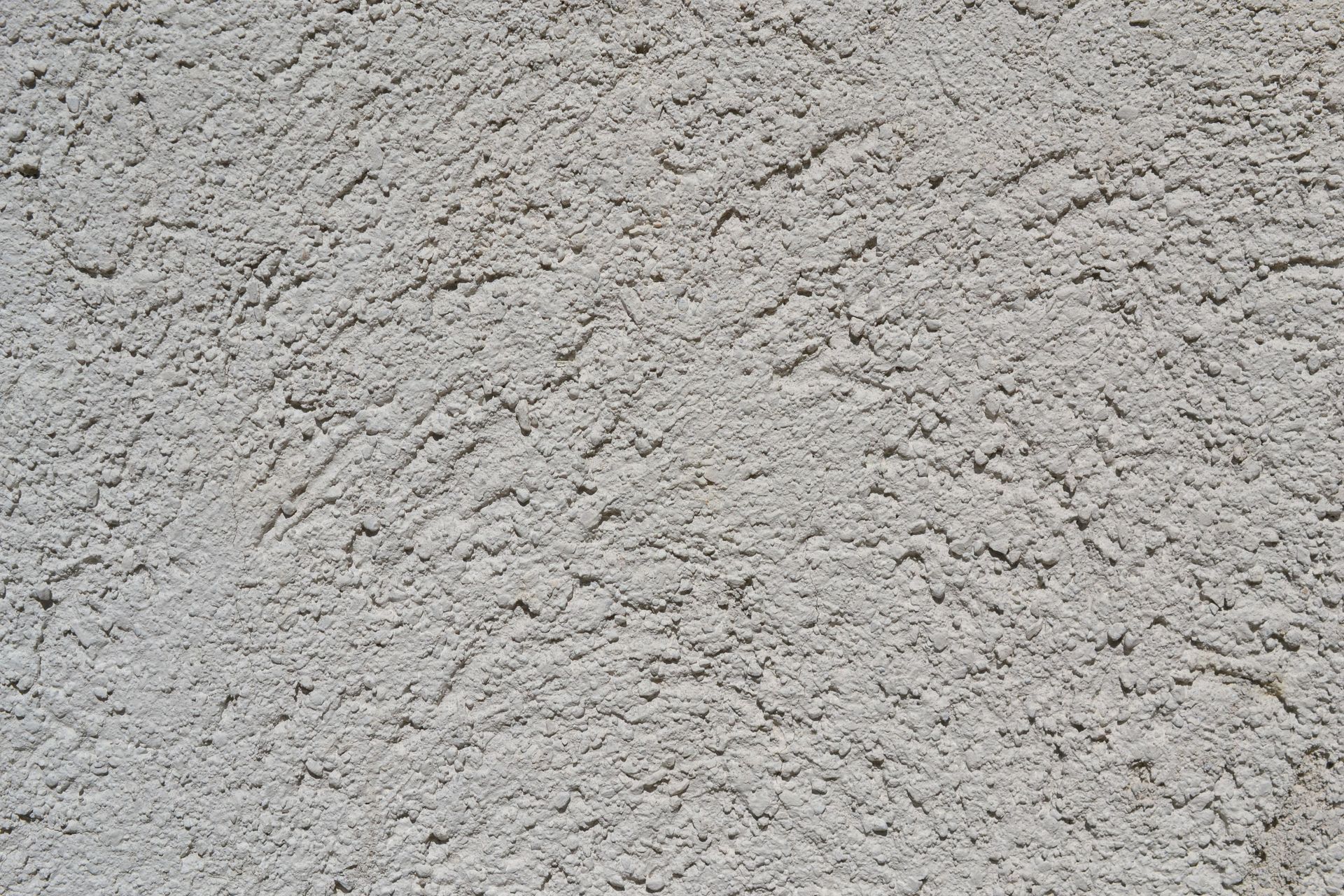
Texture matching requires identifying the original application technique such as float finish, dash finish, or spray texture, then replicating the tool type and motion pattern used during initial installation, with custom samples often necessary for unusual textures.
When do hairline cracks need repair versus monitoring?
Cracks wider than one-sixteenth inch, cracks that continue growing over several months, or cracks located at vulnerable areas like window corners require repair to prevent water infiltration, while stable hairline surface cracks may only need sealing.
Why does new stucco in College Station sometimes crack during the first month?
Rapid drying from heat and low humidity causes shrinkage cracking when stucco cures too quickly, which is why repairs performed during cooler months with mist-curing often show better long-term performance than summer installations.
What determines whether stucco repairs involve small patches or full-wall replacement?
The extent of delamination revealed through percussion testing, the condition of underlying lath and substrate, and whether the drainage plane exists and functions properly all factor into deciding between patching and complete reinstallation.
Aggieland Masonry approaches stucco repairs by addressing both the visible damage and the concealed conditions that caused the initial failure. Request an inspection that includes moisture testing and percussion sounding to map the full extent of deterioration before finalizing the repair scope.