Masonry with Tradition
Gathering Spaces That Handle Open Flame Safely
Outdoor Fireplace & Firepit Installation in College Station for properties adding functional warmth, extending outdoor use into cooler months, and creating entertainment focal points
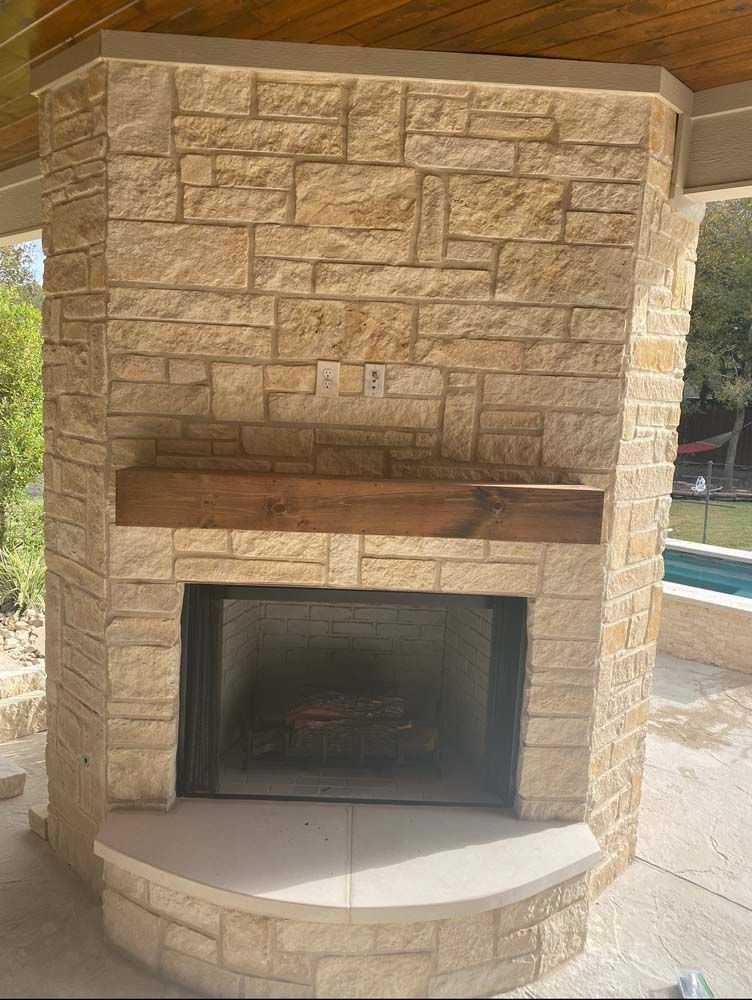
Outdoor fireplaces and firepits provide warmth that extends patio use beyond summer and create natural gathering points for seating and conversation. The structure must contain fire safely, resist heat without cracking, and comply with clearance requirements that prevent ignition of nearby combustibles. Aggieland Masonry installs outdoor fireplaces and firepits throughout College Station using masonry construction that handles sustained high temperatures while integrating with existing hardscaping and landscaping layouts. Fireplaces are fully enclosed structures with chimneys that direct smoke upward, while firepits are open-top designs that allow viewing from all sides—the choice depends on how you want to use the feature and what clearances your property allows.
Installation involves building a reinforced concrete base that supports the weight and isolates the structure from ground moisture, then constructing walls from firebrick and standard masonry that withstand repeated heating and cooling cycles without spalling or cracking. Gas-fueled units require supply lines and burner installation, while wood-burning designs need proper ventilation and ash cleanout access. The location is selected based on wind patterns, distance from structures and vegetation, and proximity to seating areas, with consideration for smoke drift and heat radius.
Arrange a property assessment to determine optimal placement and whether a fireplace or firepit better suits your layout and intended use.
What Changes After Installation Completes
Construction begins with pouring a footing that extends below frost depth and supports the full weight of the masonry structure, which can exceed several thousand pounds for larger fireplaces. The firebox is built from firebrick designed to withstand direct flame contact, and the outer structure uses standard brick or stone veneer that provides finished appearance while insulating the exterior from interior heat. Gas lines are pressure-tested before the structure is completed, and burners are positioned to distribute flame evenly across the fire area. Wood-burning designs include dampers or vents that control airflow and smoke exhaust.
Once completed, you'll have a permanent fire feature that ignites reliably and burns without smoke blowing back into seating areas when designed with proper draft. The structure remains stable without settling or leaning, and the materials resist staining from soot or weathering. Aggieland Masonry ensures that clearances meet code requirements and that the finished design integrates visually with surrounding patios, landscaping, and architectural features. Seating can be arranged around the fire feature at distances that provide warmth without excessive heat, and the area becomes usable during cooler evenings when unheated outdoor spaces would otherwise be uncomfortable.
Fireplace designs can include built-in seating, mantel details, and decorative stonework that match your home's exterior finishes. Firepits can be circular, square, or custom-shaped to fit the patio layout, with seating walls or separate benches positioned around the perimeter. Gas-fueled options offer instant ignition and flame control, while wood-burning units provide traditional ambiance and crackle. Both types require annual inspection to ensure that gas connections remain leak-free and that masonry hasn't developed cracks that could allow heat or flame to reach combustible materials.
What Property Owners Usually Ask
Fireplace and firepit projects generate questions about fuel type, safety clearances, and long-term maintenance. These answers address the practical details that affect how the feature performs and what ongoing care it requires.
What are the clearance requirements for outdoor fireplaces in College Station?
Local codes typically require at least ten feet of clearance from structures, overhangs, and combustible materials, with additional distance needed if the fireplace is positioned where prevailing winds could blow embers toward buildings. Vegetation should be kept trimmed back, and combustible surfaces like wood decking may require heat shields or non-combustible barriers underneath the fireplace base.
How do gas and wood-burning options compare?
Gas units ignite instantly with adjustable flame control and produce no ash or embers, but they require gas line installation and ongoing fuel cost. Wood-burning fireplaces and firepits offer traditional fire experience and don't depend on utility connections, though they produce smoke, require ash removal, and may be restricted during burn bans or high wind conditions.
Why does firebrick matter in fireplace construction?
Firebrick withstands direct flame contact and repeated thermal cycling without cracking or spalling, while standard masonry deteriorates quickly when exposed to sustained high heat. The firebox interior is always lined with firebrick, and the outer structure uses regular brick or stone that provides finished appearance without needing the same heat resistance.
What maintenance does an outdoor fireplace require?
Gas connections should be inspected annually for leaks, and burner ports should be cleaned to maintain even flame distribution. Wood-burning units need ash removal after each use, and the chimney should be checked for creosote buildup if the fireplace sees frequent use. Masonry should be inspected for cracks that could allow heat to reach combustible framing or allow water infiltration that leads to freeze-thaw damage.
When is a firepit a better choice than a fireplace?
Firepits work well in larger open areas where seating can surround the fire, and they cost less to build because they don't require tall chimneys or enclosed fireboxes. Fireplaces suit smaller patios where seating is arranged in one direction and where the enclosed design directs smoke upward more reliably, though they require more material and labor due to the vertical construction.
Aggieland Masonry evaluates your outdoor space to recommend fireplace or firepit designs that meet code requirements and integrate with how you use your property. Set up a consultation to discuss fuel options, placement, and design features that fit your entertainment and comfort needs.